
Research and Data Analytics
We help drive the results you need through data and analytics that address key business and program issues throughout the program lifecycle.
Leverage data and analytics to optimize engagement.
Whether assessing problem spaces, pre-planning for program launch, or conducting postmortem analysis on a program in order to more-effectively spin up the next one, we help our partners collect and wield data to make effective decisions at every phase.
Need states include:
- Business case assessment – uncovering the hidden impact of engagement
- Program modeling – understanding the potential impact of each engagement solution
- Program improvement analysis – identifying what’s working, what’s not, and opportunities for program improvement
- Attrition analysis – understanding the potential cost savings of a recognition program
- Return on purpose – providing holistic assessment of events, training, and communications to drive engagement
- ChannelWISE™ – segmentation analysis to identify your best, worst, and highest potential customers
- QuitRisk – predicting employees who are most likely to leave
Addressing key issues with data.
Design
- Program structure
- Program modeling
Pre-program analysis:
- What is the value of changing behaviors?
- Should segments of the target audience be motivated differently?
- How much will we spend on the proposed initiative?
Assess
- Program engagement
- Program performance
- Program optimization
Ongoing program analysis:
- How does performance vary across segments?
- To what extent is the engagement solution driving targeted results?
Value
- Behavior change
- Business impact
Post-program analysis:
- What was the value of the program?
- How effective was the rule structure, and what are areas of improvement?
- What behaviors/activities align with higher performance?
The metrics tell the story
100
Fortune 1000 companies using our decision sciences
$900M
improvement in business results last year, across all clients
39%
average reduction in incentive program costs
Our work speaks for itself
-
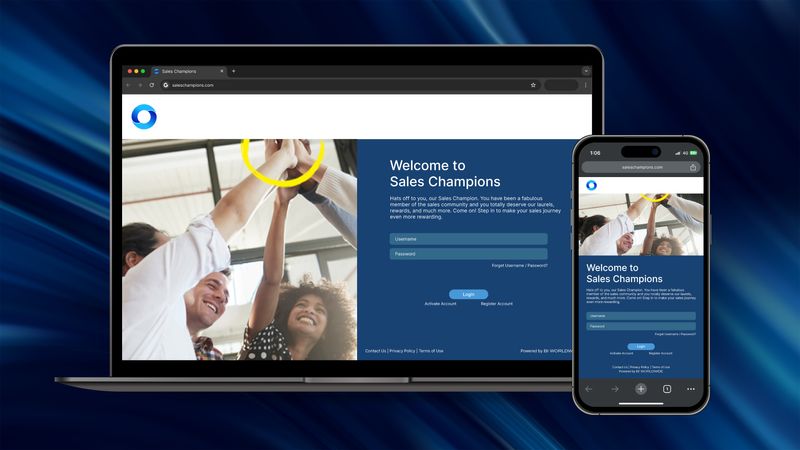
Improving Channel Sales
EXECUTIVE SUMMARY A leading technology multinational corporation realised their decade-old channel partner incentive programme needed a major overhaul. In partnership with BI WORLDWIDE, they launched a new, innovative programme that tackled existing issues with data accuracy, fraud, and low engagement. The result was a dynamic platform with exciting new promotions, a streamlined claims process, and […]Learn More -
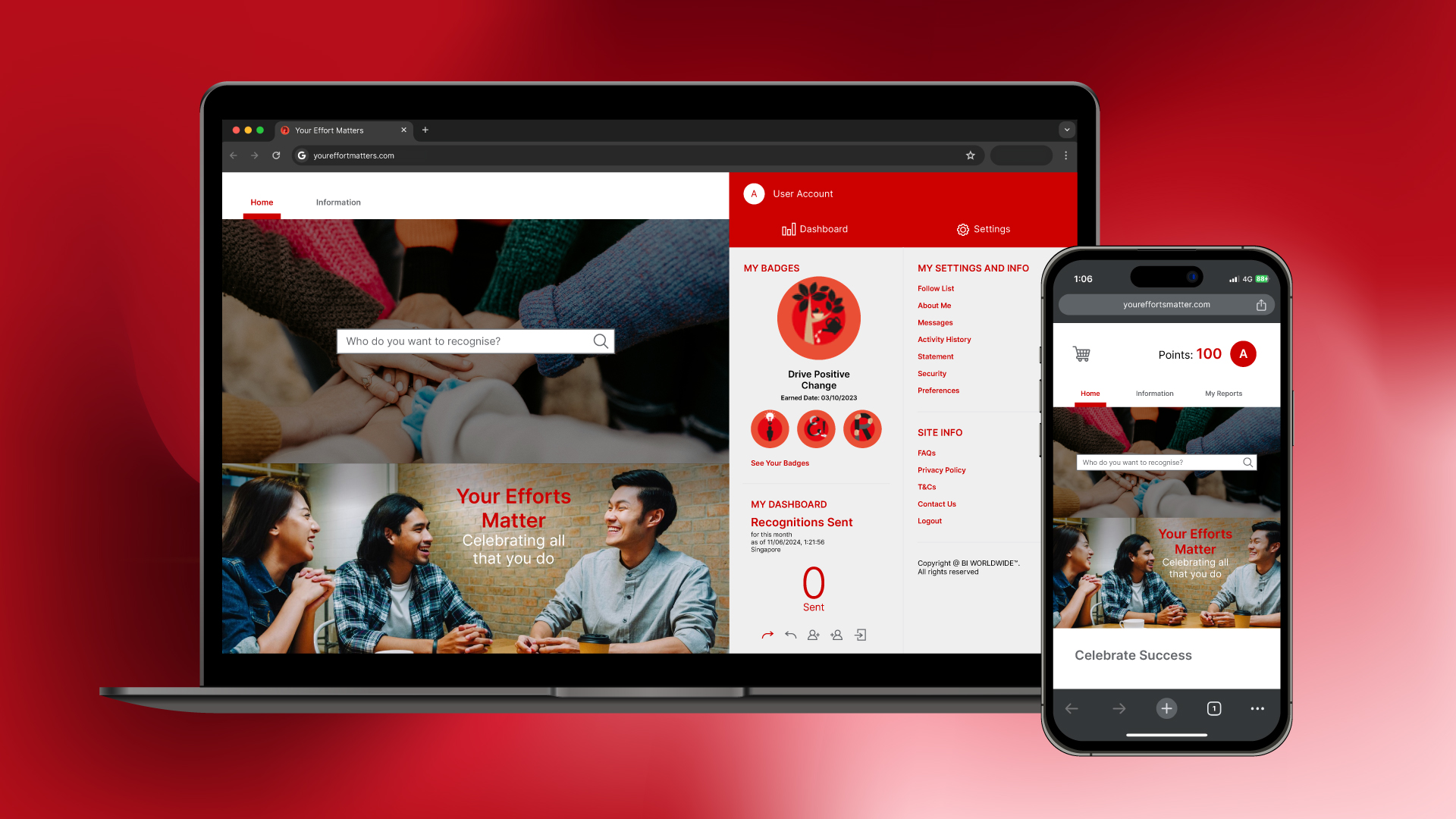
Inspiring Brand Advocacy
EXECUTIVE SUMMARY A leading financial services firm headquartered in Singapore, committed to becoming the foremost digital bank worldwide, partnered with BI WORLDWIDE to launch its first formal global recognition programme. Using the DayMaker recognition platform, the initiative included peer-to-peer digital recognition, e-nominations and marketplace rewards. Key Snapshots 81% participation rate in year one 91% participation […]Learn More
Expertise from our brightest minds.
-

Article
5 mistakes to avoid when launching a channel loyalty and incentive program
The role of channel loyalty in partner performance Channel loyalty and incentive programs help manufacturers build stronger relationships with partners who are managing multiple vendors, targets, and priorities. Incentives provide a structured way to focus attention, influence behavior, and maintain engagement in an environment where partners are constantly making choices about where to invest their […]
-

Article
Why simple channel incentive programs perform better
Channel incentive programs are often designed with good intentions but too much complexity. Layers of tiers, conditional rules, exceptions, multipliers, claims processes, and qualification criteria can make a program look sophisticated, yet feel unusable to partners. They are often also rooted in what the brand believes is how the partner works or is driven. In […]
-

Article
Why MDF and rebates aren’t enough in channel incentives
Marketing Development Funds (MDF) and rebates are staples of channel programs. They support marketing execution, protect margins, and contribute to partner profitability. They matter, but they are not enough on their own to create measurable business results. In many APAC markets, where channel ecosystems are still developing and program investment is often more constrained, relying on these […]