
What makes an incentive travel programme truly memorable?
Insights from BI WORLDWIDE’s incentive travel specialists
When we asked our incentive travel specialists what attendees remember most, a number of common themes emerged. Interestingly, very few of them were about luxury hotels or gala dinners.
What do people remember most from an incentive trip?
It’s probably not the airport transfer.
It’s probably not the hotel room category.
And it might not even be the destination.
Ask the BI WORLDWIDE incentive travel team what attendees talk about years later, and a different picture starts to emerge. The stories that stick are usually about a moment. A unique experience. A personal touch. A chance to do something they never thought they’d do.
At BI WORLDWIDE, we’ve been designing and delivering incentive travel programmes for organisations looking to recognise top performers, drive sales performance and strengthen employee engagement for decades. When we asked our incentive travel specialists what attendees remember most, a number of common themes emerged. Interestingly, very few of them were about luxury hotels or gala dinners.
Why incentive travel still matters
Where people can buy almost anything, experiences have become increasingly valuable. That’s one reason incentive travel continues to be one of the most powerful tools in reward and recognition. Unlike cash, travel creates anticipation. Unlike merchandise, it creates memories. Unlike a one-off bonus, it often becomes a story people tell for years afterwards.
For organisations, that matters.
The most effective sales incentive travel and employee recognition programmes don’t just reward performance. They create something people want to earn. That aspiration can play a powerful role in driving engagement, participation and results.
Research from the Incentive Research Foundation (IRF) found that:
58%
of Europe’s top-performing organisations strongly agree that incentive travel contributes to business performance, compared with 35% of other organisations.
53%
More than half (53%) also strongly agree it improves engagement and retention.
In other words, incentive travel isn’t simply a reward. For many organisations, it’s a strategic tool for influencing behaviour and performance.
Key takeaways: what makes incentive travel successful?
The most successful incentive travel programmes typically have six things in common:
- They include experiences people couldn’t easily organise themselves
- They balance organised activities with meaningful free time
- They make attendees feel recognised as individuals
- They give people choice and flexibility
- They incorporate purpose-led experiences where appropriate
- They make the entire journey feel effortless, from departure to return
Simple in theory. Harder in practice.
The strongest programmes don’t focus on one of these areas. They bring all of them together.

What makes incentive travel experiences memorable?
One of the strongest themes to emerge from our conversations was the importance of creating experiences that attendees couldn’t easily organise themselves.
Luxury matters, but exclusivity matters more. Today’s incentive winners are often well travelled. Many have stayed in five-star hotels, visited iconic destinations and experienced high-end hospitality before.
What’s harder to replicate is access. That could mean a private cultural experience in Vietnam, island-hopping around Dubrovnik, a behind-the-scenes experience unavailable to the public, or contributing to wildlife conservation in South Africa.
One particularly memorable example involved attendees taking part in rhino conservation efforts. Not only was it a genuine bucket-list experience, it also contributed to the protection of an endangered species.
Experiences like these stand out because they feel special.
They’re also becoming increasingly important. According to the latest Incentive Travel Index:
70%
nearly 70% of buyers are actively seeking destinations they haven’t used before
63%
while 63% already have new destinations booked for future programmes.
People want to discover something new. Organisations are responding by creating experiences that feel difficult to access, impossible to replicate and genuinely worth striving for.
How to plan an incentive travel programme that feels effortless
Here’s a reality that event professionals know all too well: a fantastic destination can’t always rescue a difficult journey. Several team members highlighted the importance of looking beyond the brochure when selecting destinations.
Flight access. Connection times. Transfer durations. Hotel infrastructure. These decisions can have a huge impact on how attendees feel before the programme has even started.
There’s often a temptation to focus on the most exciting parts of a trip when planning. But the most successful programmes consider every touchpoint of the attendee journey.
A destination may look perfect on paper. But if it requires multiple flights, lengthy layovers and hours of onward travel, that experience starts to lose some of its appeal.
The best incentive trips feel effortless because of the work that happens behind the scenes. Attendees might never notice the planning. That’s usually a sign it was done well.

How much free time should an incentive travel programme include?
For years, many incentive programmes fell into the trap of trying to maximise every minute. More activities. More excursions. More experiences. More.
Today, attendees are telling us something different. They want exceptional experiences, but they also want time to enjoy them.
Across the industry, a lack of downtime remains one of the most common sources of attendee frustration. People want opportunities to explore independently, spend time with guests, relax by the pool or simply take in their surroundings.
External research backs this up. The IRF’s attendee preferences research found that free time, relationship-building opportunities and cultural experiences are among the biggest drivers of a positive incentive travel experience.
This shift has encouraged organisers to focus on quality over quantity.
Instead of filling every gap in the itinerary, many programmes now build in optional activities and dedicated free time.
The result? Attendees feel more in control of their experience and often enjoy it more as a result.
Why personalisation matters in incentive travel
Another recurring theme was personalisation.
The best incentive programmes recognise that attendees aren’t all motivated by the same things. Some want adventure. Some want culture. Some want a free afternoon and a good book. Giving people options allows organisers to create experiences that feel more relevant to each individual. But personalisation doesn’t always need to be complicated.
A favourite drink waiting in a room. A birthday recognised during a stay. Dietary requirements proactively addressed at the first meal.
Small details can create a surprisingly big impact.
Why?
Because they’re signals. They tell attendees they’ve been noticed. And recognition has always been at the heart of successful incentive travel. The destination may provide the setting, but making someone feel valued is what creates the emotional connection.
Why CSR is becoming essential in incentive travel
One trend appeared in almost every conversation: Corporate Social Responsibility (CSR).
The way organisations approach CSR has evolved significantly over recent years. Increasingly, clients want opportunities for attendees to contribute directly rather than simply donate money. The BI WORLDWIDE team shared examples ranging from school improvement projects in Mexico and St Lucia through to conservation programmes in Africa.
What makes these experiences so powerful is their immediacy. Attendees don’t just hear about the impact. They see it. They see children using facilities they’ve helped create. They see communities benefiting from their contribution. They see their efforts making a difference. For many attendees, those moments become some of the most memorable parts of the entire programme.
There’s another benefit too. Meaningful CSR experiences help organisations align incentive travel with wider priorities around sustainability, purpose and social impact.

What buyers should look for in an incentive travel destination
The right destination isn’t always the most obvious one.
When evaluating potential locations, the BI WORLDWIDE team typically considers a combination of factors:

Strong air access from key departure markets

High-quality hotel and event infrastructure

A range of cultural, leisure and adventure experiences

Opportunities for meaningful CSR activity

Manageable transfer times

The ability to cater for different attendee preferences

Strong safety and risk-management credentials
This helps explain why destinations such as Vietnam, Cambodia, Dubrovnik, Rio de Janeiro, Botswana and Zambia are generating growing interest.

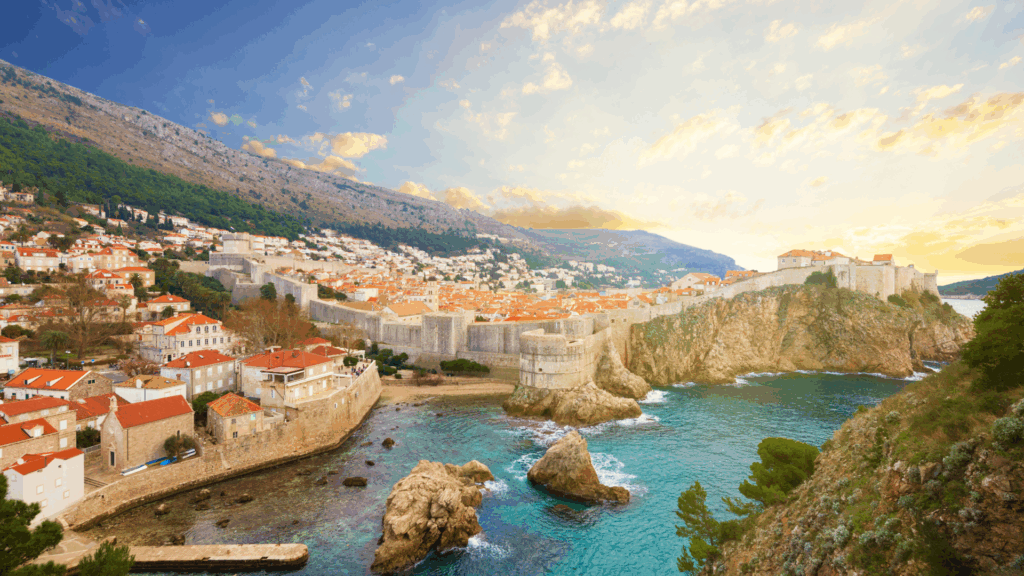

Each offers something different. Each creates opportunities for discovery. And each can deliver experiences that feel distinct from a typical leisure holiday.
Top incentive travel trends for 2026
Across sales incentive travel, employee recognition and reward programmes, several trends continue to shape decision-making:
- Greater demand for personalised experiences
- More flexibility and attendee choice
- Increased focus on quality over quantity
- Growing interest in purpose-led and CSR activities
- Stronger emphasis on supporting local communities and suppliers
- Continued pressure to deliver exceptional experiences despite tighter budgets
- Increased focus on safety, duty of care and programme resilience
Taken together, these trends point towards a broader shift.
People still want rewarding experiences. They just want them to feel more meaningful, more authentic and more relevant than before.
What successful incentive travel programmes have in common
When attendees return home, what will they remember?
The answer probably isn’t the transfer schedule, the room upgrade or the event app. It will be the moment they felt recognised. The experience they couldn’t have created for themselves. The conversation they’re still having months later.
At BI WORLDWIDE, that’s what we see time and again.
The most successful incentive travel programmes aren’t simply about where people go. They’re about how people feel while they’re there and long after they’ve returned.
Done well, incentive travel doesn’t just celebrate past performance, it inspires future performance too.
The best way to get started is to get in touch!
Speak to a member of our expert team to learn more about our live event solutions.