
The psychology of reward redemption
The ‘savers’ mindset
Reward redemption is the moment recognition becomes real – but many hesitate. Discover why savers delay, and the design strategies that can unlock emotional impact, programme value and business results.
Incentives may spark behaviour change, but reward redemption is where the emotion lands. Cash rewards can disappear into the everyday, but earned points redeemed for real, meaningful, tangible gifts and experiences create social permission to celebrate and become the kinds of memorable moments people retell. This is where the true motivational value crystallises.
At a time when retention pressure is rising (the true cost of replacing one employee in the UK averages ~£30k, and can exceed $100k (circa £75K) for sales roles when you include lost pipeline and the time to full productivity), and global engagement has dipped (costing an estimated $438 (circa £326bn) in lost productivity), every pound of recognition investment has to work harder. Programmes that issue reward points but don’t convert them into redemptions risk diluting impact and ROI.
The fastest way to translate budget into loyalty is to design for Recogdemption – the cycle where early, well‑timed recognition leads to reward redemption and, in turn, improves retention. This pattern is evidenced in our recent research of ~1M employees in 118 countries.
It shows that people fall into one of two camps when it comes to redemption behaviour: Spenders, who redeem roughly every six months (typically after 5–6 recognitions), and Savers, who redeem less often – every 12–24 months (typically after 8–12 recognitions).
This article focuses on the saver mindset: why perfectly engaged people sometimes delay redemption (and that crucial uplift in emotional resonance), and how to design programmes that turn intent into action, preserving what makes savers tick while making redemption feel easy, status‑safe, and compelling.
Two design anchors (from our ~1M employee dataset):
- Six in six: employees who receive 6+ recognitions in the first 6 months are far more likely to become engaged givers and frequent redeemers – priming early reward platform visits and momentum.
- The $200 tipping point: 83% of reward redemptions are <$200 (40% of value), while the remaining 17% (>$200) drive 60% of value, so feature compelling first win options below $200 (to trigger early redemption) and keep aspirational choices above $200 (to sustain effort, especially for savers).
Why savers save: The behavioural science behind point accumulation
The first misconception is that savers (or those with high values of unredeemed points) are disengaged. In fact, by the nature that they have received rewards suggests quite the opposite, they’re psychologically invested.
Seven familiar forces often explain the “hold, don’t spend” psychology

Endowment effect
Once points are earned, they’re coded as mine. People tend to value owned assets more than identical non-owned assets, which could make parting with (or redeeming) points feel costly.

Sunk‑cost effect
Time and effort spent to earn reward points can make smaller redemptions feel like “wasting” past effort, so savers hold out for a “worthy” reward. Classic field and lab studies document this bias strongly.

Optimism bias and “maybe later” value
Humans are known to overestimate better futures; in reward points ecosystems that update (for example catalogue refreshes, ‘price’ promotions), savers may be holding out on the expectation or ‘hope’ tomorrow’s deal will be better than todays, so they wait.
Goal‑gradient dynamics
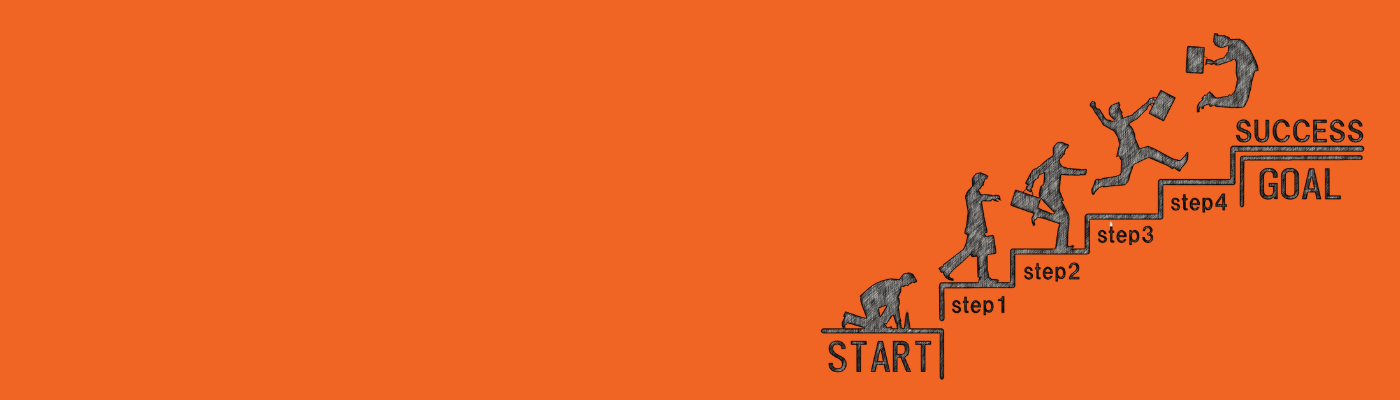
Watching points balances rise feels like progress. Goal gradient theory shows that as we get closer to a goal, effort accelerates, but redeeming can feel like “ending the game.” Research in loyalty settings shows acceleration as customers near rewards and the power of “endowed progress” to keep momentum.

Loss Aversion
Losses loom larger than equivalent gains. Spending points is framed (mentally) as giving up an asset, even though it produces a reward, so people procrastinate.

Status and identity signalling
Big balances and visible tiers can signal competence and prestige to colleagues and management. Structure matters: adding tiers or elite labels can heighten perceived status and affect behaviour.

Choice overload
Too many options or a clunky journey pushes people to the default choice – do nothing. The classic “jam study” shows that larger assortments can depress purchase; status-quo bias research shows people disproportionately stick with the current state when choices are complex.
Bottom line: Savers are not resistant; they’re rational within their psychology. If savers value progress and status, design redemption to feel like progress (first win paths under $200), protect status at zero balance (permanent badges/tiers), and reduce friction at exactly the moment loss aversion peaks.
Why saver behaviour matters for programme outcomes
Low redemption, low resonance.
If points don’t convert into experiences and items, you miss the emotional peak that cements behaviour change. IRF work highlights that design elements beyond face value such as personalisation, clarity, achievability, drive the felt impact of rewards.
Hidden disengagement
High balances can mask declining enthusiasm; evidence from loyalty research shows redemption and progress events influence subsequent effort and retention. Therefore, when understanding your savers, it’s important to monitor this behaviour alongside other engagement metrics (website usage, programme participation and performance, communication engagement) to identify and mitigate risks early.
Retention economics
The true cost of a leaver in the UK averages ~£30k, driven largely by lost productivity. Each missed reward redemption is a missed moment to reinforce belonging and intention to stay, especially critical in roles where replacement and ramp are expensive.
Sales capacity protection and ramp drag
The sales ramp now averages ~5.7 months (often 9–12 months in enterprise organisations), so losing a seller resets capacity for half a year or more. Programmes that move savers to an earlier first redemption can help maintain momentum through the ramp and reduce avoidable sales team churn.
Quota risk and consistency across the mighty sales middle
87% of sales teams report struggling to meet or exceed quota; improving redemption among savers can drive motivation across the “middle 60%” where most revenue sits, rather than over‑relying on top performers.
How to nudge savers (without breaking what makes them tick)
Design your programme and reward redemption experience for ease, reassurance, and identity, making redemption feel like a continuation of achievement, not the end of it.
1) Nudge with smart, social proof driven communication
- Show “people like me” redeeming well. Social proof works best when the reference group feels similar; use real stories (“Jane turned 18,400 reward points into a wellness weekend”) and segment – for example by those with a similar reward points balance.
- Frame the emotional outcome, not just the item. Highlight satisfaction and impact of the reward (upgraded workspace, family experience) to counter loss‑averse framing. The IRF showed how personalisation, clarity and achievability increased perceived reward value.
- Use manager‑assist nudges. Auto‑prompt managers when a saver has crossed a balance threshold or hit 3–5 site visits without redeeming. Given manager engagement’s outsized impact, these lightweight cues can unblock momentum without pressuring autonomy.
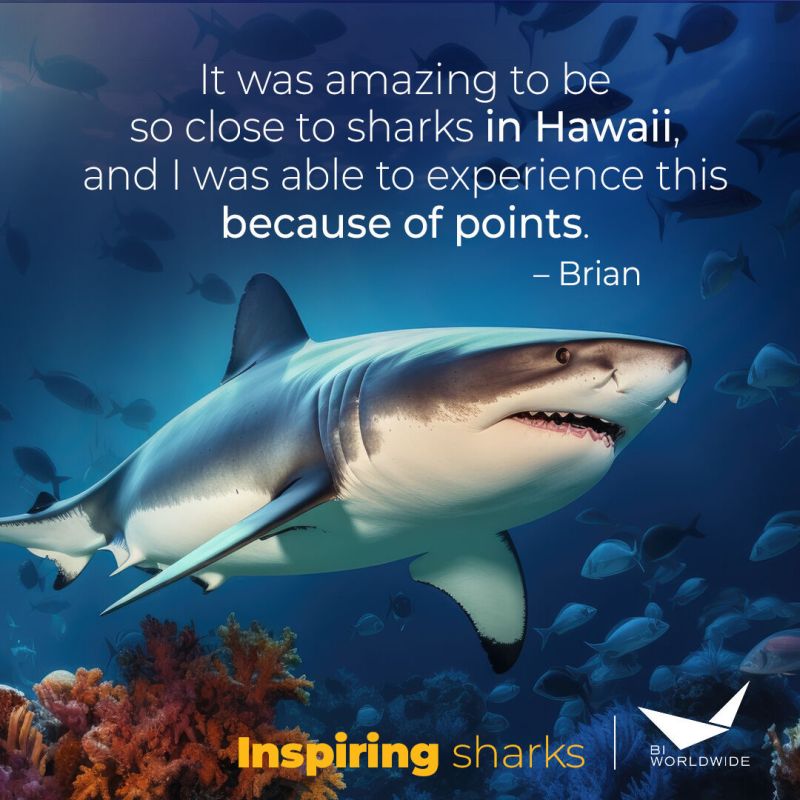
2) Break the hoarding cycle by making spending feel like progress
- Milestones for rewards redemption, not just reward points earning. Utilise badging techniques to encourage first redemption, seasonal redemption, or redeeming across categories (for example merchandise, experiences and personal development) to leverage the goal gradient and endowed progress effects.
- Progress bars that visualise rewards enjoyed, not only reward points accrued. The nearer people are to a goal, the more closely they track their progress; make “post redemption” progress visible as well (for example, highlighting number of experiences unlocked this year).
- Implement light gamification. Challenges, streaks, or mini quests can raise engagement and lift redemption when thoughtfully applied. (Evidence links gamified mechanics to higher engagement and active points use.)
3) Preserve (and amplify) status when points go to zero
- Separate recognition from currency. Maintain visible tiers and permanent recognition artefacts (digital badges, wall of fame, profile markers) so status isn’t “spent” at point of reward redemption. Loyalty research shows tier structures shape perceived status.
- Public, values linked acknowledgments. Tie formal recognition to contributions that map to company values and document it (internal comms, performance notes) so the identity outlasts the rewards points balance. Given managers drive ~70% of team engagement variance, equip them with easy, inflow prompts to reinforce recognition moments that lead to redemption.
4) Reduce complexity and friction end-to-end
- Curate rewards by persona and purpose. Offer smaller guided assortments, reward categories, and “Quick Picks” to reduce choice overload and align with the tipping point economics to support early retention. For example;
- Sales and other high ramp roles (First 90 day ‘first win’ path). Pre-curate < £/$200 rewards aligned to early milestones (first demo, training completion) so new hires experience a quick, meaningful redemption while pipeline/proficiency builds.
- Streamline the user experience. Even small hassles kill momentum. Leverage familiar formats and processes (wish lists, favourites, address books for delivery options). This supports status quo dynamics, removing friction at point of reward redemption.
- Use time bounded prompts sparingly. Limited time offers and seasonal collections can overcome “maybe later” optimism bias.
4) Reduce complexity and friction end-to-end
- Curate rewards by persona and purpose. Offer smaller, guided assortments, reward categories, and “Quick Picks” to reduce choice overload and align with the tipping point economics to support early retention. For example;
- Streamline the user experience. Even small hassles kill momentum. Leverage familiar formats and processes (wish lists, favourites, address books for delivery options) supports status quo dynamics, removing friction at point of reward redemption.
- Use time bounded prompts sparingly. Limited time offers and seasonal collections can overcome “maybe later” optimism bias.
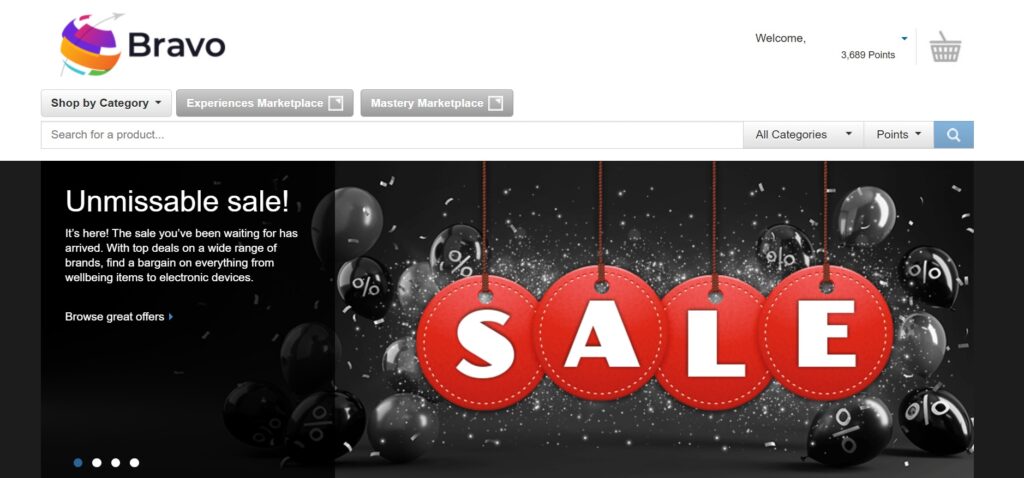
5) Make progress and community visible
- Balance dashboards close the loop. Show points earned, rewards enjoyed, and recognition received. This reframes redemption as completing the loop and reinforces the Recogdemption triangle.
- Peer recognition boosts momentum. Reward points combined with peer to peer recognition correlate with higher engagement and lower voluntary turnover. Don’t reserve reward issuance as a manager only activity.
Guardrails (so we don’t break what makes savers tick)
- Don’t equate high balances with disengagement. Savers are often deeply invested; design to convert intent, not shame it.
- Don’t over‑use scarcity mechanics, protect authenticity and perceived fairness.
- Do maintain status signals post redemption and keep aspirational options visible above $200 to honour long-term goals.
A quick note on cash vs. non-cash
The question isn’t “cash or not”, as both have their place in a total rewards mix, the question is about what drives and creates lasting motivation. Multiple academic research evidence shows non-cash rewards (merchandise, travel, reward points), when well designed, deliver higher motivational value per pound than cash by creating memorable, re-consumptive and identity affirming experiences.
Bringing it together
Savers hoard points for understandable reasons: they feel ownership, want the right moment, and enjoy the journey of progress. Our challenge as recognition and incentive programme designers is to align with that psychology, make redemption easy, status preserving, socially validated, and clearly part of the progress story.
When six in six recognition and $200 aware rewards curation combine with friction-light design, redemptions rise, and so do the emotional touchpoints that make behaviour change (and business outcomes) stick.
The best way to get started is to get in touch!
Speak to a member of our expert team to learn how our solutions can support your rewards strategy.