
How early recognition drives long-term employee loyalty globally
Discover how early employee recognition strengthens engagement, builds loyalty and improves long‑term retention across global workforces.
For many organisations today, retention challenges don’t come as a shock – they feel like a constant undercurrent. Roles are harder to fill, managers are stretched thin, and employees are quietly asking themselves whether this is where they want to build their future.
Gallup’s State of the Global Workplace 2025 puts data behind that reality, reporting that just 21% of employees worldwide are engaged. For global organisations, this drop in engagement has far‑reaching consequences, not just for productivity, but for long‑term employee loyalty.
At BI WORLDWIDE, we see one factor consistently make the difference: employee recognition.
Why recognition matters for global employee retention
Retention today is about far more than keeping people from leaving. What organisations are really trying to build is emotional commitment, a sense of connection that encourages employees to stay, grow and contribute over time.
Our work, supported by insights from BI WORLDWIDE’s Recogdemption report, shows how recognition sits at the centre of this effort. Recognition, reward redemption and retention are deeply connected, reinforcing one another through everyday employee experiences.
While each plays a role, the outcome organisations care about most is clear: retention. And retention is strongest where people feel genuinely seen and valued.
Retention starts with early employee engagement
What happens in an employee’s first few months matters more than many organisations realise. That early experience often shapes how long someone stays and how invested they become.
Analysis from the Recogdemption report, based on behavioural data from nearly one million employees across 118 countries, reveals a consistent pattern.
Employees who receive six or more recognition moments within their first six months are significantly more likely to become engaged contributors and remain with their organisation.
Recognition doesn’t just influence how employees feel – it also shapes how they engage with rewards over time. When recognition is followed by meaningful reward experiences, it strengthens commitment and reinforces staying power, a relationship explored further in our article on recognition and reward redemption behaviours.
This impact is especially powerful in the earliest stages of employment. Research shows that early recognition moments during onboarding can shape engagement, reward participation and long‑term loyalty from the very start.
In reality, this doesn’t mean grand gestures or expensive rewards. It means a new starter hearing “you’re on the right track”, “this made a difference” or “we noticed the effort” early and often – not six months later in a formal review.
Retention isn’t about stopping people from leaving.
It’s about giving them reasons to stay.
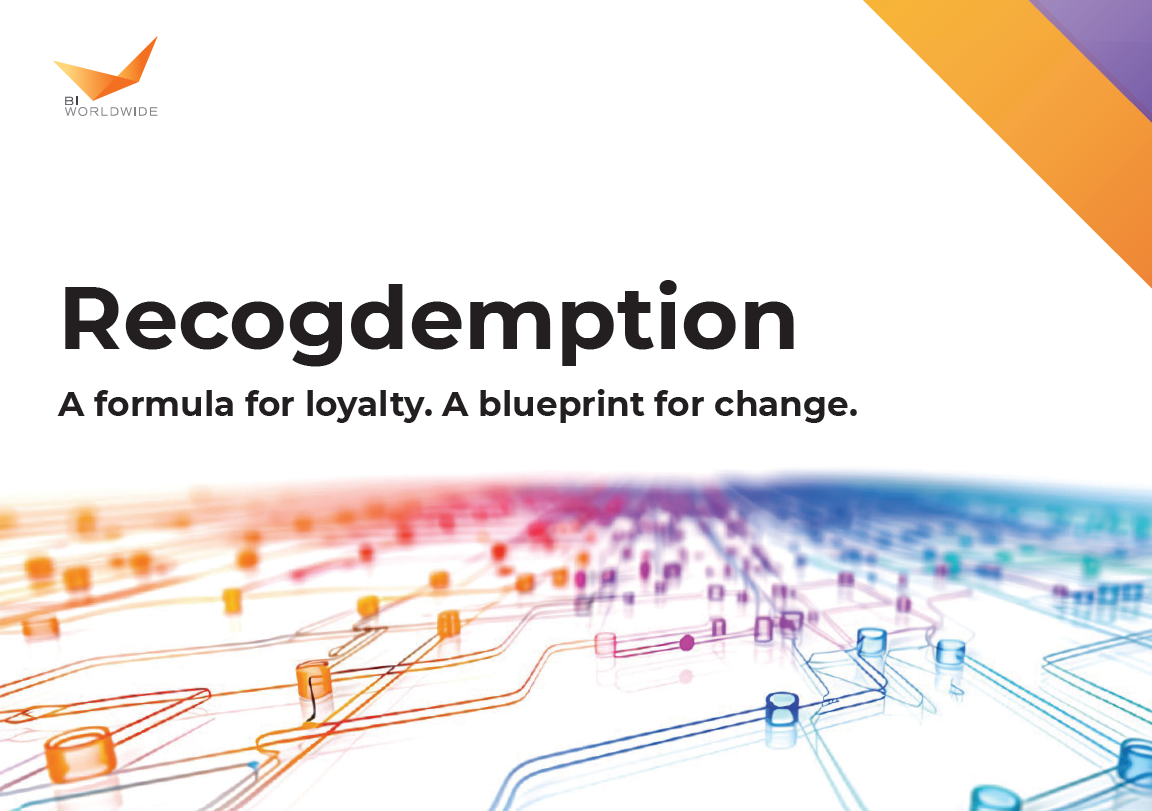
Want to go deeper into the data behind early recognition and retention?
Explore the full Recogdemption report to see how recognition, reward redemption and engagement behaviours influence retention across nearly one million employees worldwide.
Using technology to support retention at scale
For global organisations, delivering consistent and meaningful recognition isn’t simple. Different regions, cultures and teams all bring unique expectations, and without visibility, it’s easy for gaps to appear.
This is where recognition technology becomes a strategic enabler. Modern global platforms allow organisations to understand how recognition is being given, received and redeemed across the workforce.
At BI WORLDWIDE, we see how this insight helps leaders:
- Identify where engagement is beginning to dip
- Spot teams or regions receiving less recognition
- Support managers who may be struggling to keep pace
In practice, this means organisations can act earlier, addressing disengagement before it turns into attrition, while ensuring recognition remains fair, consistent and culturally sensitive.
Designing recognition that sustains engagement
Long‑term retention doesn’t come from recognition that is occasional or transactional. It comes when employees are fully engaged in the recognition ecosystem.
That means people aren’t just receiving recognition, they’re giving it, sharing appreciation across teams, and engaging with rewards in ways that feel meaningful to them.
Rather than focusing on reward mechanics alone, the most effective programmes bring recognition into:
- Onboarding experiences
- Early role milestones
- Everyday moments that reinforce organisational values
Segmentation by tenure, role or engagement level allows recognition to remain timely and relevant, particularly during those critical early months when employees are deciding whether they belong.
Recognition isn’t a “nice to have”.
It’s a defining part of how culture is experienced.
The manager effect on employee loyalty
Managers sit at the centre of engagement and retention, but they’re under growing pressure. Gallup’s 2025 findings show global manager engagement falling to 27%, with sharper declines among younger and female leaders.
This matters because Gallup also found that 70% of the variance in team engagement is directly linked to the manager.
Recogdemption insights consistently reinforce this reality. Managers are the frontline drivers of recognition, shaping whether it happens, how meaningful it feels, and how consistently it’s applied.
When organisations equip managers with practical support, including training, real‑time dashboards and automated prompts, recognition becomes easier to deliver, even in fast‑paced or distributed teams.
In organisations where recognition is embedded into onboarding and manager enablement, BI WORLDWIDE sees clear results: turnover rates are four times lower among highly recognised employees compared with those receiving little or no recognition.
When managers lead by example, recognition becomes part of everyday working life, strengthening trust and loyalty across teams.
Recognition as a global retention strategy
Retention strategies rarely succeed if they rely on a single lever. Career development, pay equity, wellbeing and leadership all matter. But recognition is often what activates these elements, turning intent into lived experience.
For global organisations, the challenge is delivering recognition that feels both consistent and locally relevant. Expectations around appreciation, how it’s expressed and what feels meaningful, vary widely across cultures.
Technology helps bridge this gap, enabling organisations to localise experiences while maintaining global fairness and visibility. Leaders gain insight into what’s working, where recognition is lacking, and how engagement differs across regions, empowering smarter, more human retention decisions.
A blueprint for long‑term employee loyalty
Building lasting employee loyalty isn’t about a single initiative. It’s the result of everyday behaviours, supported by intentional design and insight. By focusing on early recognition, empowering managers, and using technology to deliver fairness and visibility at scale, organisations can create cultures where people feel valued, and choose to stay.
Ready to move from insight to action?
The Recogdemption report explores how recognition, reward redemption and engagement behaviours influence long‑term retention across global workforces.
If you’re shaping engagement strategies across regions and cultures, it offers practical data and guidance to support your next steps.
Curious how recognition could work more effectively across your regions, cultures and teams?
Explore how BI WORLDWIDE helps organisations turn early appreciation into lasting engagement and loyalty.
-
Webinar
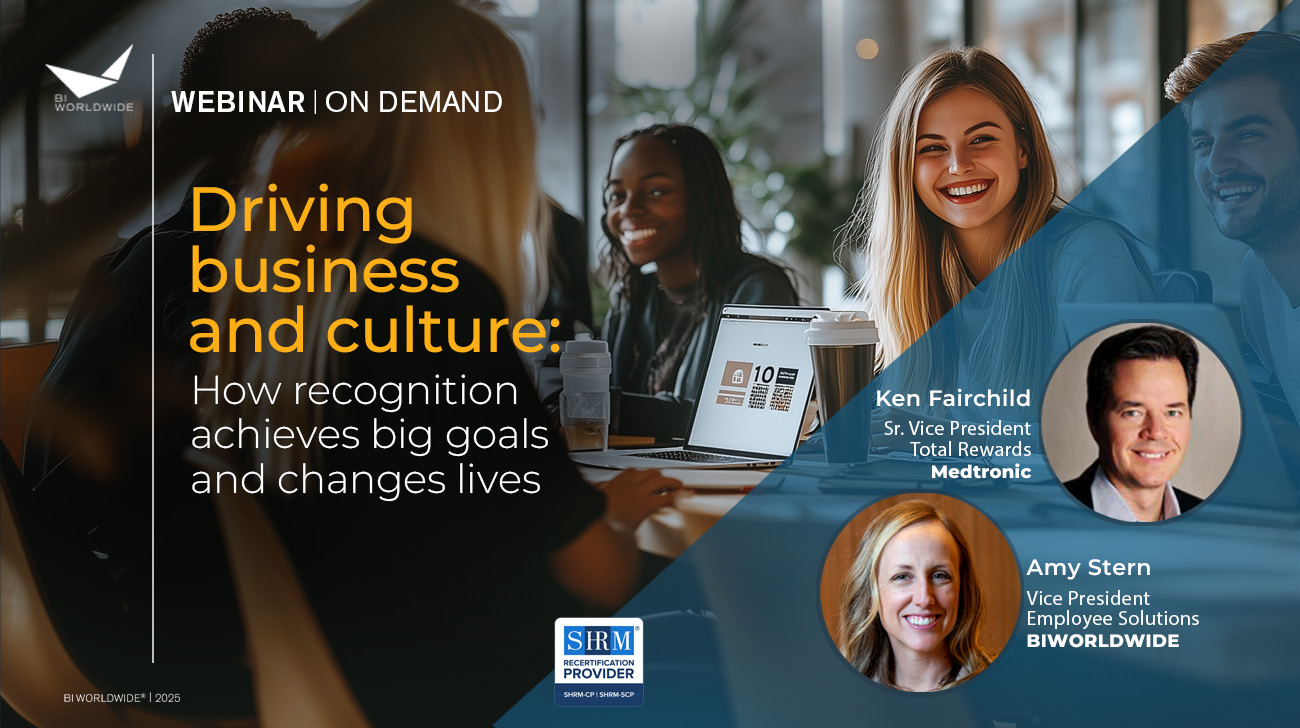
Webinar | Driving business and culture
Watch this webinar to learn about how Medtronic leverages their recognition initiatives to drive organisational objectives. Ken Fairchild from Medtronic will discuss how they were able to improve free cash flow, market share, and other key CEO priorities.
-

Page
Elevate™
Elevate™ is the complete solution that offers all elements of employee and sales engagement. Elevate™ enables you to recognise outstanding performances and milestones with ease, via celebrations, incentives, merchandise, personalised experiences and more.
-

Case Study
Scaling service anniversary recognition across 107 countries
Discover how BI WORLDWIDE supported a global pharmaceutical company to scale their service anniversary programme from 5 to 107 countries.